For most landowners, hiring someone to clear brush is a first. It is not like hiring someone to mow the yard. This is professional-grade equipment on your property, a real budget, and work that can shape how the property looks and functions afterward. Knowing what to ask and what to expect can make it easier to compare contractors and quotes.
Step 1: The first call
Whoever takes your call should be able to gather the basic details about the project or get you to someone who can. Expect to be asked where the land is, roughly how many acres you want cleared, what is growing on it, and what you want to use it for. At Y 5, Zach Young, the owner, takes these calls himself, and his goal is to call you back within five minutes during business hours.
Step 2: The walkthrough
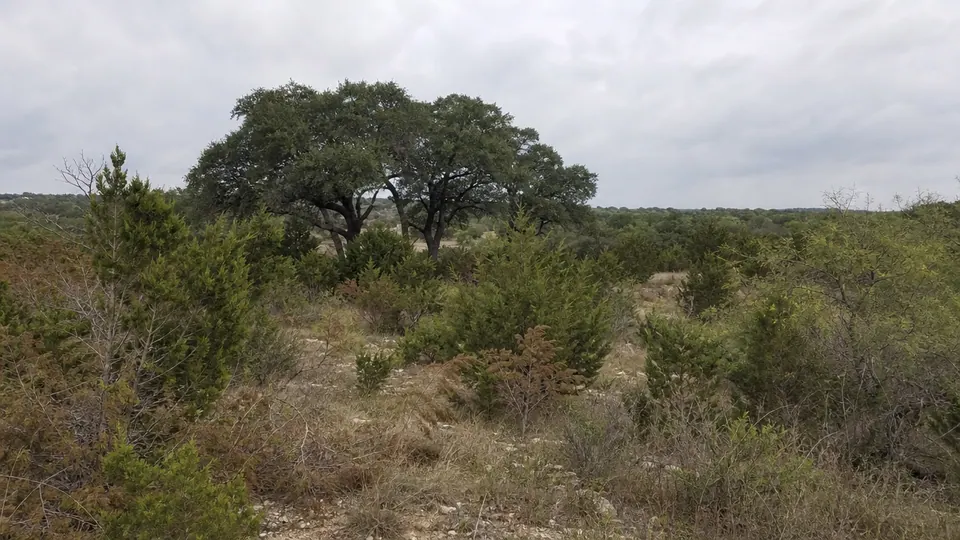
Many contractors look at the property in person before finalizing the scope and price. At Y 5, the walkthrough comes first and the fixed price follows it. Photos and satellite views help, but brush density, tree size, rock, slope, wet areas, and gate widths are easier to assess accurately on site. This is also where you should talk about what stays: shade trees, wildlife cover, that one pecan your kids climb.
Ask: what the quote is based on and whether the contractor has enough information about the access, vegetation, terrain, and scope to price the work accurately.
Step 3: The quote
A quote should clearly describe the scope, the pricing method, any exclusions, any mobilization or travel charges, and the deposit or payment terms. On the scope side, that means what area is being cleared, what vegetation, what stays, what the finished condition is expected to look like, and when the work is anticipated to happen. At Y 5, we provide a written fixed price for the agreed scope after the walkthrough.
Ask whether any mobilization or travel charge applies and how it is shown. At Y 5, mobilization appears as its own line item when it applies.
Ask: how the final price is calculated and what happens if the job takes longer than expected. Whether the contractor charges a fixed price, hourly rate, day rate, or another way, you should understand how the final bill will be determined before work begins.
Step 4: The work
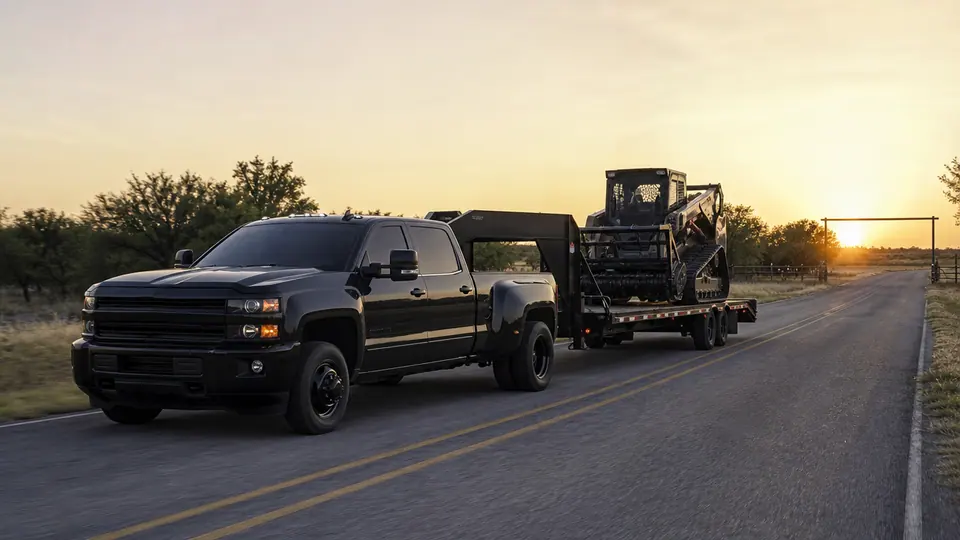
The crew should show up when they said they would, with the equipment they said they would bring. Before work begins, utility locating should be handled as needed. The operator should work around the keep trees, fences, marked utilities, and other features discussed during the walkthrough, and check with you if conditions on the ground do not match the agreed plan.
Step 5: Wrapping up
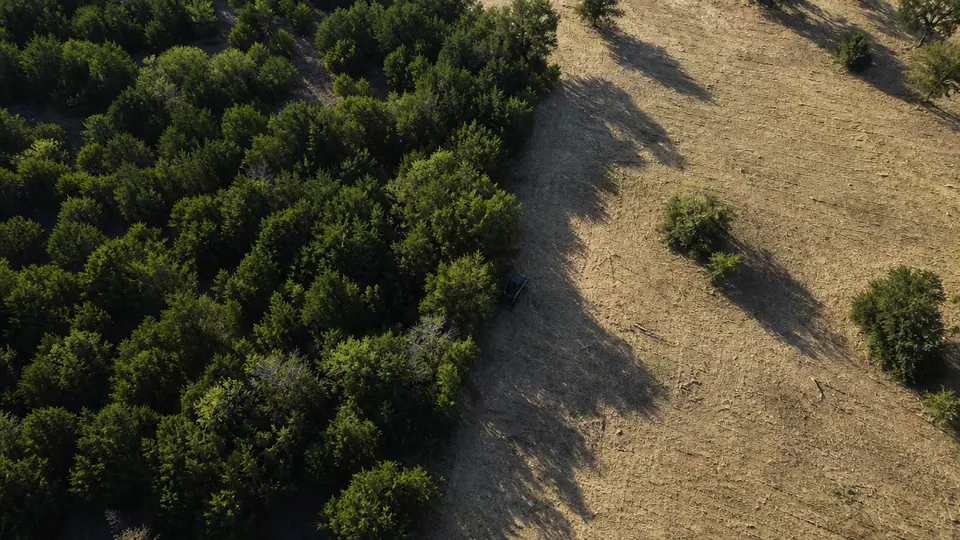
Before the contractor leaves, it is reasonable to look over the finished area together and confirm that the completed work matches the scope you agreed on. With forestry mulching, brush and small trees are processed near ground level, and the resulting material is left on the ground rather than stacked into separate debris piles. The amount and distribution of mulch can vary with the vegetation and property. Payment terms should already be clear from the quote before work begins.
Questions to ask any land clearing contractor
- Is the price fixed, or hourly? What happens if the job takes longer than expected?
- What method do you use — mulching, dozing, or both — and why for my property?
- What happens to the debris?
- Will you work around the trees I want to keep?
- Does any mobilization or travel charge apply?
- What are the deposit and payment terms?
- Are you insured? Can I see a certificate?
- Who will actually be on my property running the machine?
- When can you start, and how long will it take?
How Y 5 does it
Fixed price after a free walkthrough. Forestry mulching that leaves no separate debris piles and helps protect the soil. The owner handles your call, walkthrough, and quote. Mobilization is shown as its own line item when it applies, and we do not leave until the work is done right. The fixed price, agreed scope, and any applicable mobilization or payment terms are laid out in the quote.
Request a free estimate and see the difference from the first call.