
Forestry Mulching · Weatherford & North Texas
Forestry Mulching in Weatherford & North Texas
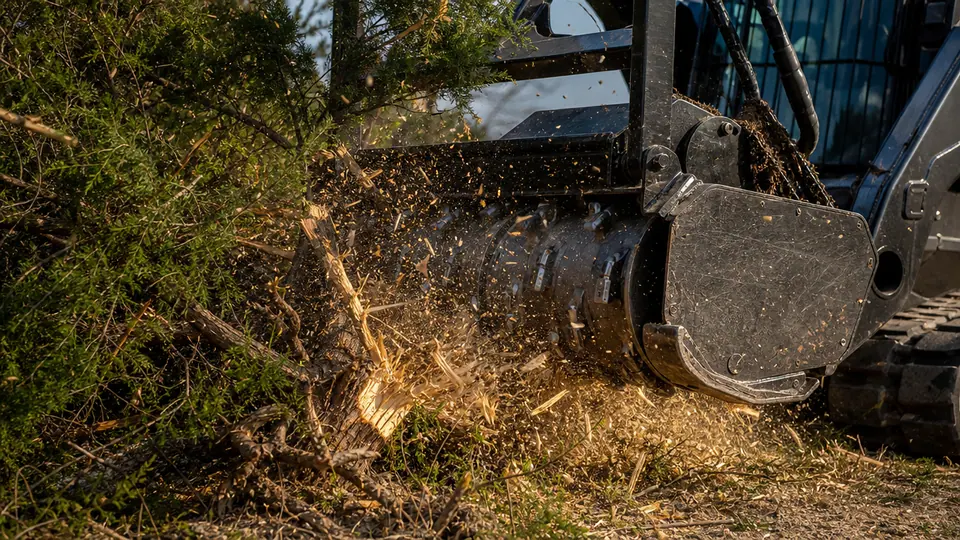
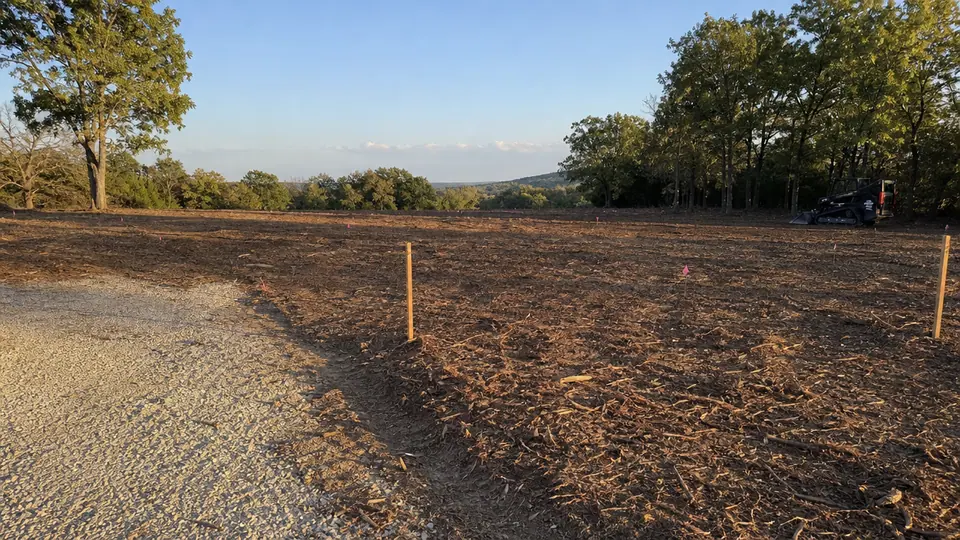
Forestry mulching is what Y 5 Land Services was built around. A compact track loader with a heavy-duty mulching head drives straight into the brush and grinds cedar, mesquite, saplings, and undergrowth right where they stand. What is left behind is open ground covered in a natural layer of wood mulch. Nothing to burn, nothing to haul, and a method that helps minimize ground disturbance, so most of your existing topsoil stays in place.
- Fixed-price quotes
- Insured
- Weatherford, TX
- Faith · Family · Work
How forestry mulching works
Traditional clearing often pushes everything into piles with a dozer that then have to be burned or hauled off. Forestry mulching avoids creating separate burn piles or debris piles that have to be handled later. The mulcher head spins a drum of carbide teeth at high speed and processes standing vegetation, downed limbs, and small stumps into chips where they stand.
Because the machine rides on tracks instead of digging, ground disturbance is kept to a minimum and most of the existing topsoil stays in place. The chip layer helps protect the soil from erosion, can help retain moisture, and slowly breaks down into organic matter. On many properties, native grass starts coming back through the mulch after the first good rains, though timing varies from one place to the next.
What we mulch in Parker County and beyond
- Ashe juniper (cedar) — one of the most common reasons landowners in this area look into clearing. Cedar spreads fast, shades out grass, and pulls a surprising amount of water from the ground.
- Mesquite — thorny, deep-rooted, and relentless on open pasture. Mulching knocks it down to the ground so you can manage regrowth instead of losing the whole field.
- Yaupon, greenbrier, and understory brush — the tangle that makes wooded acreage impossible to walk, hunt, or enjoy.
- Saplings and small trees — brush, saplings, and certain small trees are mulched in place. The right approach for larger growth depends on the species, diameter, site conditions, and the project.
- Selective thinning — we can work around the oaks, pecans, and elms you want to keep and open up the ground beneath them.
Why landowners choose mulching over dozing
No burn piles. No waiting for the right conditions to burn, no smoke, and no debris pile left sitting on the property.
No hauling fees. Everything stays on the property as mulch. You are not paying for dump trucks or landfill tipping.
Helps preserve topsoil. Dozer-based clearing can scrape or displace topsoil depending on how the work is done. A mulcher rides over it, keeping ground disturbance to a minimum.
Open and accessible the same day. When we leave, the area is opened up and accessible, with no burn piles or clearing debris waiting to be hauled off.
Common forestry mulching projects
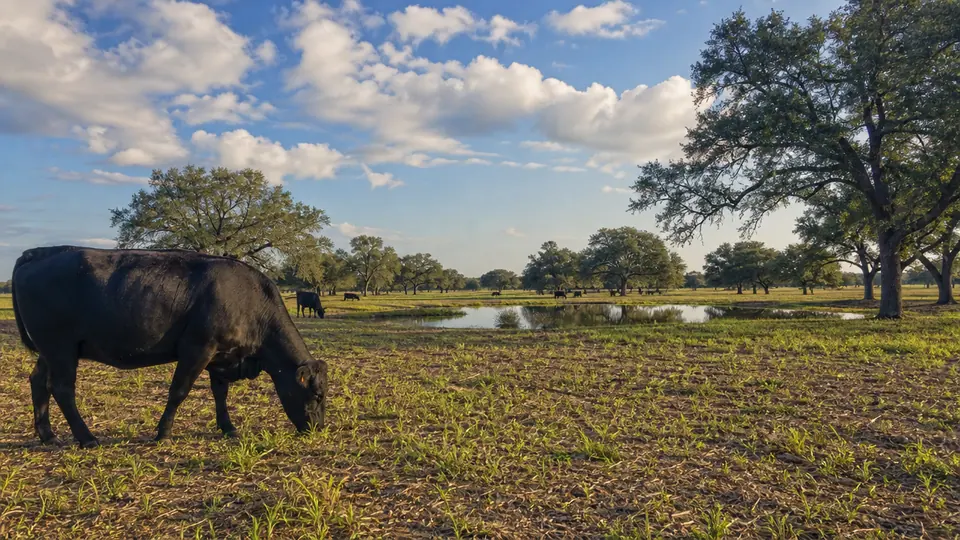
- Reclaiming pasture and hay meadow that cedar and mesquite have taken over
- Opening up wooded acreage for hunting, trails, and habitat improvement
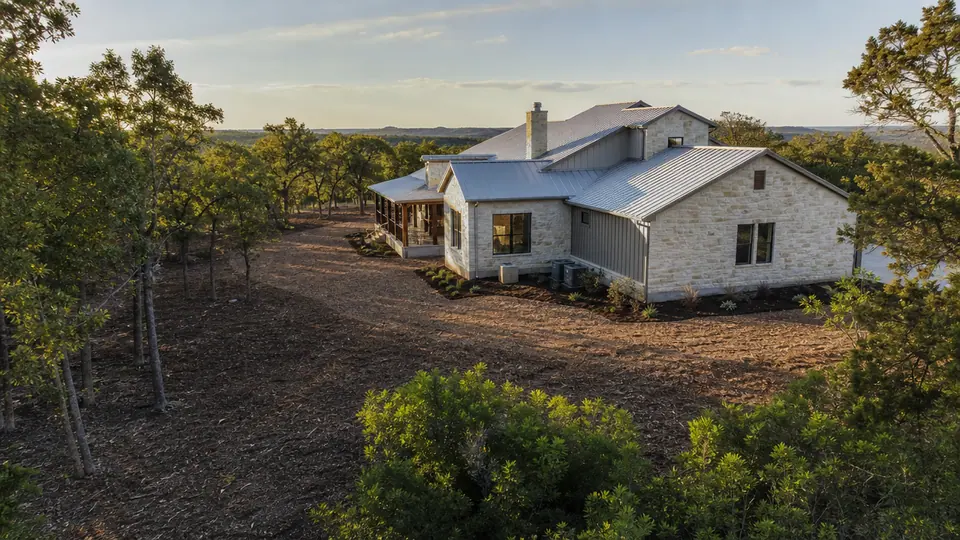
- Clearing brush from a new-build homesite before the dirt work starts
- Creating defensible space around homes and barns for fire mitigation
- Cleaning up fence lines, property lines, and easements
- Cutting ranch roads and trails through thick cover
What’s included
- Free on-site walkthrough and a fixed price before we start
- Selective clearing — you tell us what stays
- Mulch left in place as ground cover (no burn piles, no hauling)
- Brush and small trees cut near ground level; stump height can vary and root balls remain
- Insured
- A property that is open and accessible the day we leave
Fixed price, every time. I walk the property, give you one number, and that number does not change because the brush was thicker than expected.
Questions
Forestry Mulching FAQ
How big of a tree can a forestry mulcher handle?
Forestry mulching handles brush, saplings, and certain small trees in place. For larger growth, the right approach depends on the species, diameter, site conditions, and what you want the property to look like when we’re done. During the walkthrough I’ll tell you what the mulcher is the right tool for and what would call for a different approach.
Will the mulch kill my grass?
Not typically when the mulch is managed at an appropriate depth. After a typical job the chip layer is thin enough that existing grasses and vegetation can grow back up through it over time, and it can help retain moisture while it breaks down. How quickly things recover varies with the existing vegetation, mulch depth, rainfall, season, and soil conditions on your property. If you have plans for the pasture after clearing, tell me on the walkthrough so the clearing plan can account for them.
Does forestry mulching remove the stumps?
Mulching processes brush and small trees near ground level; stump height can vary, and it does not pull the root ball out of the ground like an excavator would. For most pasture, hunting, and residential uses that is exactly what you want. If you need stumps completely removed for a foundation or septic field, ask about full land clearing options.
How much does forestry mulching cost in North Texas?
Every job is quoted at a fixed price after a free walkthrough, because acreage alone does not tell the story — brush density, tree size, terrain, and access all matter. See our pricing guide and project planner for what drives the number, then call for an exact quote.
Where we work
Forestry Mulching across North Texas
Serving Parker County and the surrounding counties within about 75 miles of Weatherford.
Ready for forestry mulching on your property?
Call or text (817) 458-9190, or request a free estimate. I personally call back — my goal is under 5 minutes during business hours.